
Landscape or Portrait- What exactly are they ?
Landscape or portrait are two common orientations in photography. They describe the position of a camera or subject. Here are the key differences between landscape or portrait photos:
Orientation:
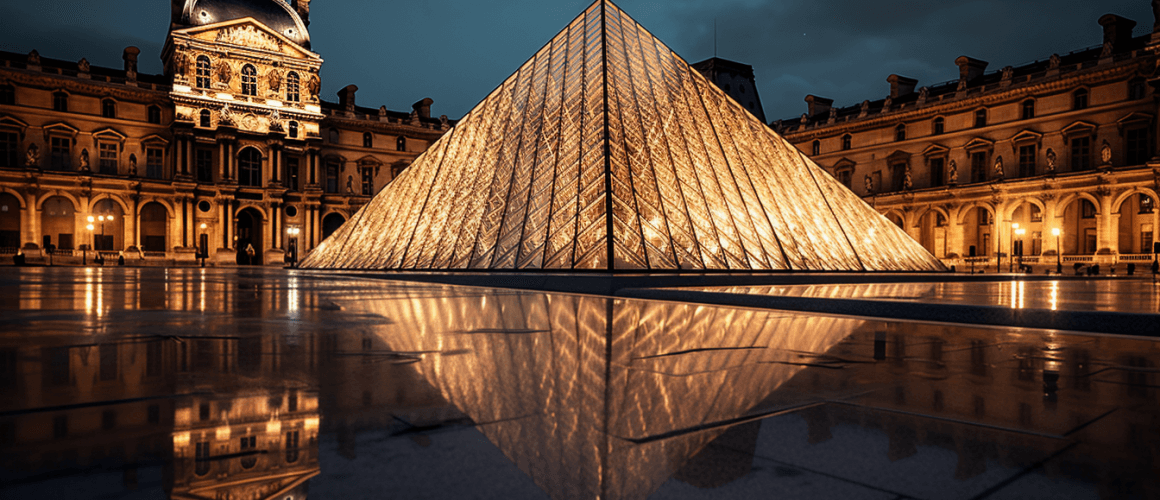
- In landscape photography, you hold the camera horizontally to capture vast scenic views of landscapes, seascapes and cityscapes. Because this format is wider than it is tall, it is ideal for showing the breadth and beauty of natural and urban environments.
- Portrait: In portrait photography, you hold the camera vertically, so the frame is taller than it is wide. Photographers typically use this format for individuals or small groups of people, since it emphasizes the subject’s height or vertical elements.
Subject Emphasis:
- Landscape: Landscape photos typically emphasize the breadth and horizontal elements of a scene. They are well-suited for capturing expansive views, emphasizing the horizon, and showcasing the width of a scene.
- Portrait: Portrait photos focus on the height and vertical elements of the subject. As a result, photographers mainly use them for people or subjects where the vertical composition matters more.
Composition:
- Landscape: Landscape photos often make use of the horizontal composition to create a sense of space and depth. Photographers also arrange the elements in the frame to enhance the width and create a feeling of openness.
- Portrait: Portrait photos highlight the vertical elements, such as the subject’s face and body. In other words, the composition draws attention to the subject’s features.
Use:
- Landscape: Nature, architectural and cityscape photographers often use landscape photography to show the beauty of wide environments.
- Portrait: Portrait photography captures people, whether for individual portraits, family portraits, fashion photography or corporate headshots.
Lighting:
- Landscape: Lighting in landscape photography often focuses on natural light, such as sunrise or sunset, to illuminate the entire scene.
- Portrait: Portrait photography may use studio lighting, natural light or artificial light. These techniques highlight the subject’s features and create a specific mood.
Framing and Aspect Ratio:
- Landscape: Landscape photos may use a wider aspect ratio, such as 16:9 or 3:2, to accommodate the wide scenes.
- Portrait: Portrait photos often use a narrower aspect ratio, such as 4:3 or 3:4, to fit a vertical subject.
Popular Sizes for Landscape or Portrait Photos
Popular sizes for both landscape or portrait orientations in photography vary with the medium you use to display or print the images. Here are some common size ratios for both orientations:
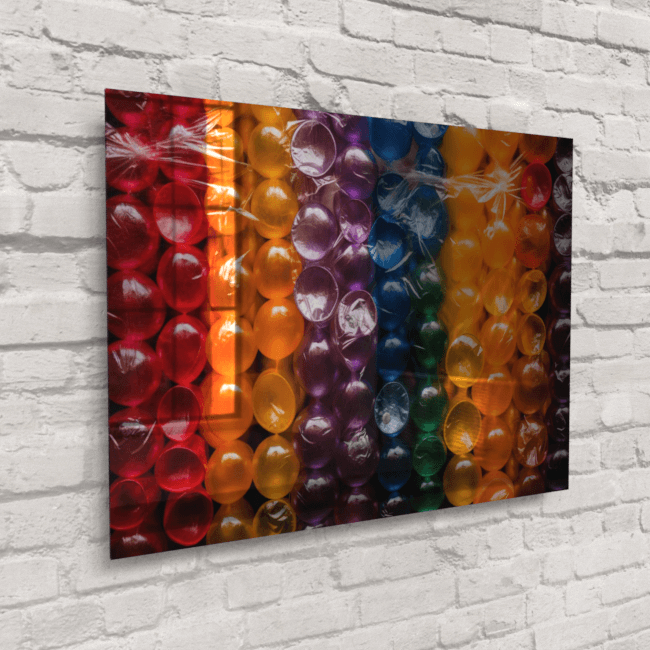
Landscape Orientation:
- 16:9 – This common widescreen aspect ratio is popular for displays, HDTV and video content.
- 3:2 – Many DSLR cameras, including 35mm full-frame cameras, use this standard aspect ratio. It is also common for printed photographs.
- 4:3 – This aspect ratio is common for micro four-thirds cameras and some point-and-shoot cameras.
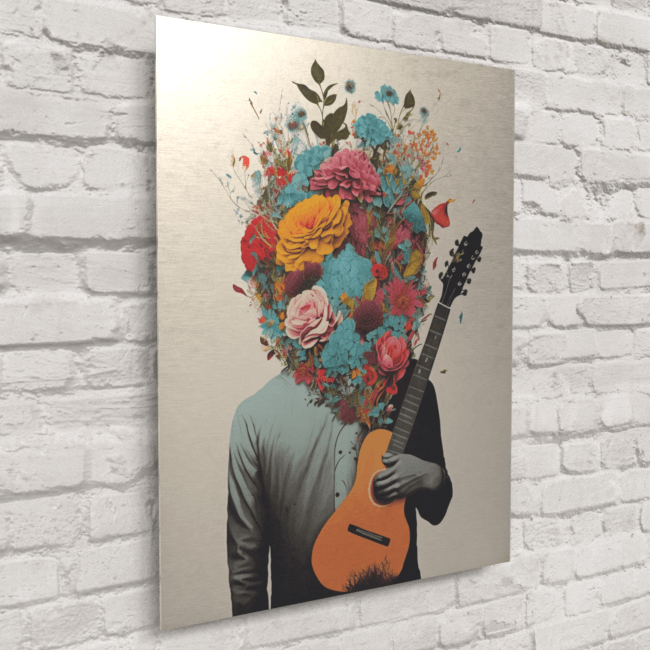
Portrait Orientation:
- 4:5 – This is a popular aspect ratio for medium and large format cameras and is a common choice for portrait photography.
- 5:7 – Another common aspect ratio for portrait prints and some framing options.
- 2:3 – This aspect ratio complements the 3:2 landscape orientation, and it is common for printed photographs.
How to Choose the Right Photo Size
There is no one-size-fits-all answer, so the right size depends on your needs and preferences. Different projects, applications and display formats often have their own preferred size ratios. Additionally, many people choose custom sizes, especially for artistic or creative purposes.
When choosing a size for your photos, first consider where you will display the image (e.g., digital screens, prints, social media). Then think about the intended use (e.g., wall art, posters, web content) and your personal taste. Many photo editing and printing services also offer a variety of size options to suit different needs.