
How to find photos for fine art acrylic prints
The other day, a gentleman called us about producing fine art acrylic prints, but he needed photos to reproduce. It was an odd request, since most customers call with images ready to produce fine art Acrylic prints.
Larry had seen images on acrylic. Now he wanted to produce a line to sell at a pop-up store in New York City. However, he was adamant about not spending a nickel on photos to reproduce. So we told him to take his own photos or search the internet for free ones.
Larry told me it was a potential order of 50 large acrylics, so he asked me to look into it. As always, I agreed to spend some time finding him photos so he could produce fine art prints.
After hours of online research, I became somewhat of an expert on image reproduction restrictions and copyright. Below, I will explain the options I found for creating fine art acrylic prints, as well as copyright law.
Pay per Demand
This is probably the safest route to take. You simply become a member and join the service. However, you can only use paid images for personal use, not for commercial use. The list of services is long, but here are a few: Dreamstime, Bigstockphoto, PhotoShelter and Shutterstock.
Creative commons licenses
The most common license is attribution. That means the user of the material must give appropriate credit and link to the source. Take my customer, for example. If he wanted to sell images online, he would need to link every image to the actual artist. As a result, it would mean a big job and a very confusing eCommerce platform.
Sometimes attribution is not necessary, but then you cannot sell the image commercially. Instead, you could use the images for teaching and other non-commercial purposes.
In many cases, you can copy and redistribute an image for commercial purposes without attribution. However, you cannot sell the image on its own. In other words, if you want to sell the image, you would need to change it. Resizing it is not enough, so you would also need to add filters, colors and so on. This was a viable option for my potential customer, but it is a very gray area. What counts as changing an image? Will the photographer give me grief? Who is right in this scenario? It is ambiguity within ambiguity.
Images With No Copyright
No-copyright images are sometimes hard to find, but they are the best way to go. In this case, the person has given up all rights to the image. As a result, you can sell it commercially without attribution. However, there can still be copyright infringement if the photo shows a brand or a famous person. For example, imagine a photo of a street scene with a Coke sign in it. Would Coke actually come after you? Probably not, but there is still a chance.
Conclusion
In our view, there is no perfect option for producing fine art acrylic prints from online images. Even no-copyright images have gray areas, and copyright laws seem to change all the time. Many sites offer images for commercial use, but be sure to read the fine print. After all, each site has its own rules, and all but a few are ambiguous, to say the least.
As for my potential customer, he has started building a library of images for me to produce.
So if you need any advice about copyright issues, feel free to get in touch with us.
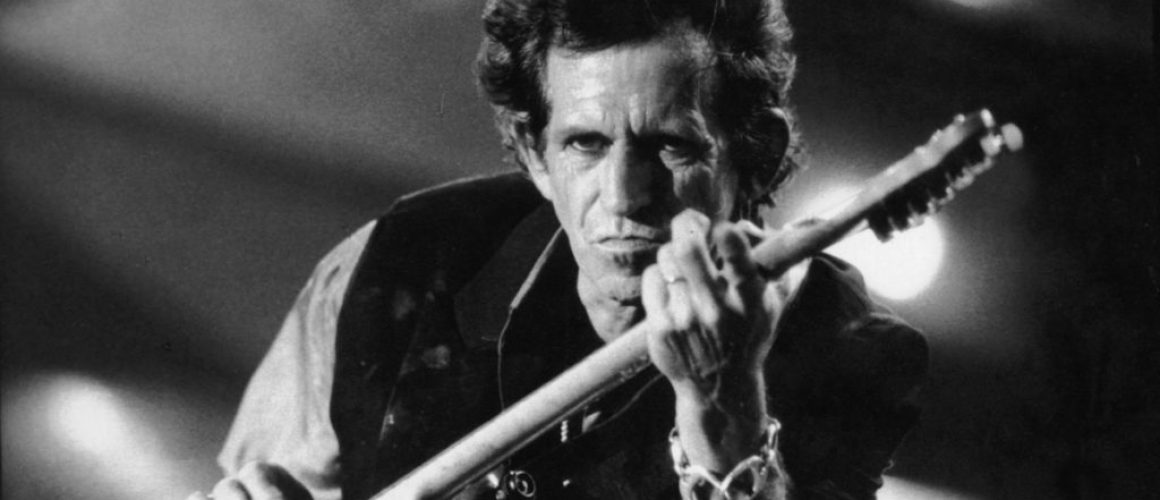
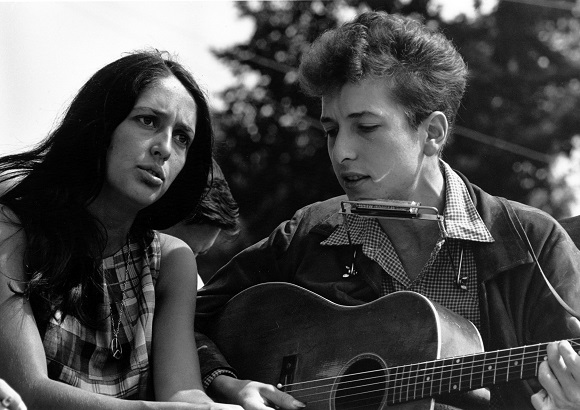
* images on the front and main page are free of copyright. But will Keith, Bob or Joan contact me if I try to sell them on a T-shirt?