

History of Graffiti Art
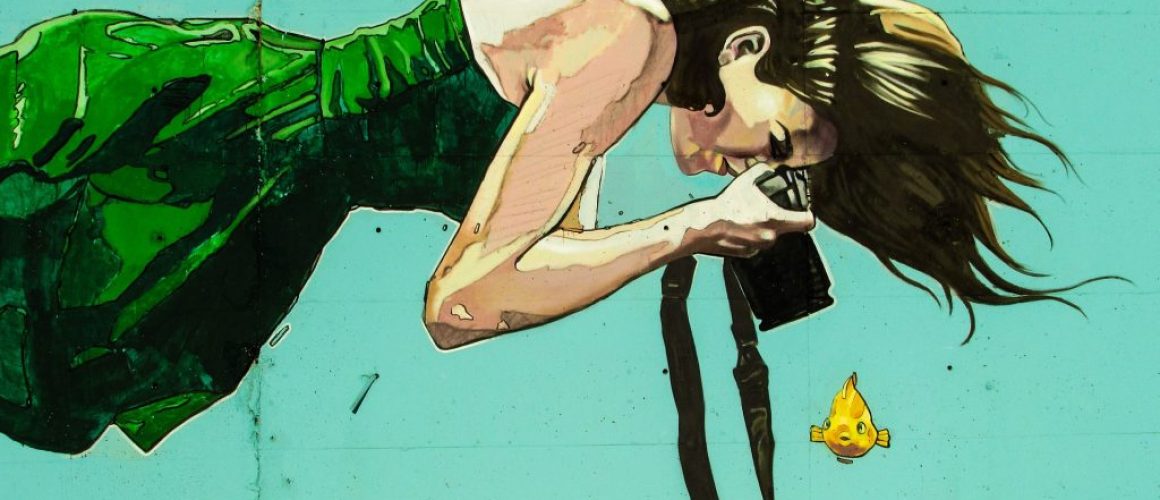
Did you know, some thousands of years ago, the very first drawing appeared on walls? Indeed, graffiti is an art.
BigAcrylic has written on graffiti before.
According to Wikipedia, “Graffiti is writing or drawings made on a wall or other surface, usually without permission and within public view.”
However, very few people know the history of this art form.
Graffiti has existed since ancient times as simple written words, signs, full sentences, or intricate wall paintings. In fact, archeologists have discovered many examples of writing on walls.
In this post, we will talk about the history of graffiti art. We will also cover how it started and why it is so popular today.

Etymology of Graffiti
The word, ‘Graffiti’ and its singular form, graffito, come from an Italian word, “graffiato”. Graffiato literally means to scratch or carve.
On the other hand, people also use a similar term, “sgraffito,” for graffiti art. It actually means scratching through layers to reveal the hidden layers below the surface. This technique is also popular among potters who want to carve a design onto their wares.
However, the original word originated from Greek, “γράφειν” or “graphein” which means to write in simple words.
Ancient History of Graffiti Wall Art
Graffiti in the form of wall writing traces back to the ancient Greek and Roman civilizations. In fact, people have found different scriptures, words, names and signs in the caves of these civilizations from thousands of years ago.
These wall paintings are not an exact copy of modern art. Still, they strongly suggest that graffiti started in Greek and Roman cultures.
Graffiti Beyond the Greek and Roman Era
When we study the history of past civilizations, the Greek and Roman eras clearly stand out as the two dominant ones.
However, this art form also appears in many other civilizations. For example, you can find ancient Maya graffiti in Guatemala. Similarly, there is Viking graffiti in Ireland, at a place called Newgrange Mound.
This early graffiti has also helped archeologists understand past lifestyles and cultures in the best possible way.
You can also find examples of this astounding art from the Renaissance era. This era marked the rebirth of knowledge in Europe.
In fact, different artists such as Raphael, Michelangelo, and Pinturicchio carved their names and paintings on walls.
This art also shows up in ancient American history. For instance, Independence Rock is a national landmark in America, and it has many name carvings on it.
So this art never belonged only to the Greek and Roman era. However, people often mention these two cultures when they talk about graffiti art, because of their dominance at that time.
History of Graffiti in the 20th Century – Late 60s and 70s
Do you wonder who the pioneers of modern graffiti are, and how it became popular all around the world?
Modern graffiti has its roots right in the middle of a Philadelphia juvenile correction facility. In fact, the whole craze started with a single word: “CORNBREAD”.
So, what is Cornbread, and why is it so famous in the history of graffiti wall art? Let’s look at the facts.
Beginning of Modern Graffiti in 1965 by Darryl McCray
Darryl McCray, now known as Cornbread, is the man many consider the first modern graffiti artist in the world. Back then, he was a 12-year-old who caused a lot of trouble at the Youth Development Center (YDC) in Philadelphia.
McCray loved cornbread. In fact, his obsession was so strong that the cooks at YDC often called him Cornbread. It was his favorite meal, and he especially loved eating it with his grandmother.
Popularity of Cornbread at YDC
McCray took to his new nickname right away. So he decided to share it with the other kids at the YDC, and the name spread like wildfire. As a result, Cornbread wrote his signature on the facility walls that featured gang symbols and names.
Soon, Cornbread struggled to find fresh spots at the facility, so he moved to more prominent places. He spent days and nights searching for new spots to write his nickname. In doing so, he tagged some of the most visible places at the facility, such as the visitor hall, church and bathrooms.
McCray’s obsession with writing Cornbread grew so strong that some social workers at the facility almost thought he had a mental disorder.
Popularity of Cornbread After His Release
But things didn’t end there. After his release from the YDC facility, Cornbread started tagging walls across the city with his signature name. Along the way, he also joined the future graffiti legends “Cool Earl” and “Kool Klepto Kid”. Soon, his name appeared all over the city. As a result, Cornbread became popular in a matter of days.
How Cornbread Made Graffiti Art Famous
Meanwhile, the Cornbread symbol was on the rise all across the city. He also tried to impress his crush by writing “Cornbread Loves Cynthia” on blank canvases of North Philadelphia.
This plan worked for Cornbread. On the other hand, it also inspired other people. As a result, the walls across the city started filling up with names, symbols, quotes, signatures, and numbers, etc.
Fake Report of Cornbread’s Death and His Reply
Over time, Cornbread stopped tagging the walls of his city because of all the popularity. Then a reporter falsely claimed that a gang shooting had killed McCray. The report caught Cornbread’s attention. As a result, he snuck into the Philadelphia Zoo and painted both sides of an elephant with the words “Cornbread Lives”.
Cornbread is so famous that some of the guards at the correctional facility even ask him for autographs. Clearly, he has a huge fan following and undying popularity.
The Pioneer of Late 1960s Graffiti
Meanwhile, a similar movement was gradually developing in New York City.
The pioneer, or simply the legend, of late 60s graffiti art was a kid who went by Taki 183. In the 60s, this bored teenager lived in Washington Heights. His signature came from his Greek name, while 183 was the number of the street where he lived.
Taki armed himself with spray cans as well as magic markers. His jacket had a hole that let him hide his hand while he worked. He also followed Cornbread’s approach and tagged subway cars, lampposts, hydrants, and walls.
Like Cornbread, he wanted to become popular. So he carefully chose the places where he wrote “Taki 183” to make his work stand out.
Taki was one of the first New York City artists, and he made this wall art popular with the masses.

Development of Graffiti in the Early 1970s
After that, the glorious art of graffiti continued to flourish. As for the 1960s, Cornbread and Taki 183 were the two big names, and they reached peak popularity even with limited resources.
In the early 1970s, graffiti writers pursued new and exciting styles. Their motive was simple: instant glory. So many graffiti writers tried their best to mark different places with unique designs, quotes and symbols.
Mid 70s and Beyond – Development of Bubbles and Softies
Then the mid-1970s and beyond marked the beginning of stylish graffiti wall art.
However, over time, street art became a political target across New York City. Mayors John Lindsay and Edward Koch made an agreement to crack down on graffiti writers.
This posed a serious threat to graffiti writers, because subways were their main way to show off their talent. Still, the writers resisted. In fact, they protested against the crackdown with different wall paintings.

Graffiti Today: Some Last Words
Today, this art form is a part of popular culture.
In short, it became a very in and trendy thing.
Graffiti expresses emotions, ideas and political points of view. It is also an effective form of advertising.
If you enjoy graffiti as much as we do, consider bringing it to your home or office. Graffiti works very well as an acrylic picture.